
Tulsa Delivery Truck Accident Lawyer
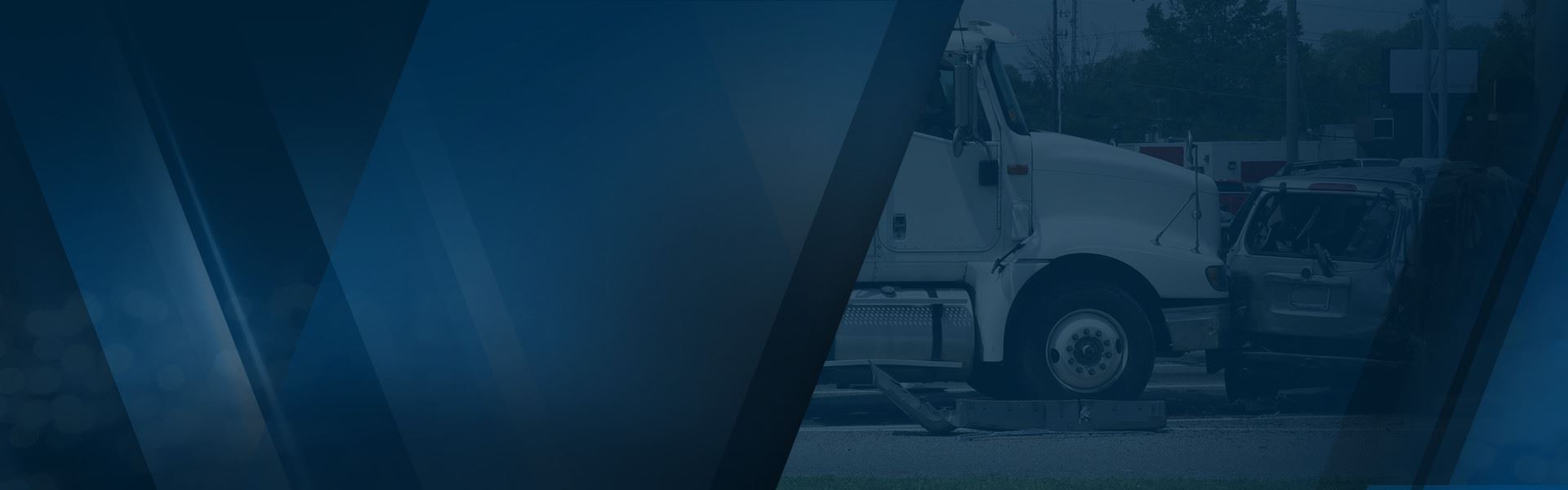
If a delivery truck hit you, your claim is more complicated than a typical car accident, and not because the injuries are worse (though they often are). It’s because the companies behind these trucks have structured their businesses specifically to make liability harder to pin down.
Amazon, FedEx Ground, and other major carriers don’t employ most of their drivers directly. They use networks of smaller companies called Delivery Service Partners (DSPs) or independent contractors. When a crash happens, the parent company’s first move is to point at the smaller company and say that they’re not Amazon’s employee, it’s theirs. So if you want to sue, sue them.
That smaller company typically has a fraction of the insurance coverage you’d expect from a name like Amazon. And the corporate insurance carrier handling the claim has lawyers, adjusters, and investigators who do this every day. You’re dealing with multiple policies, multiple potentially liable parties, and a system designed to make it unclear who’s actually responsible.
This is why delivery truck cases require a different approach than a standard fender-bender. Someone needs to trace the corporate structure, identify every party who may share liability, and preserve evidence like driver logs and vehicle data before the company legally destroys it.
If you were injured in a collision with a delivery vehicle in Tulsa, call DM Injury Law. We’ll help you understand who’s actually on the hook and what your claim is worth.
Call 918-900-9000 or contact us today for a free consultation.
Why Choose DM Injury Law for Your Delivery Truck Case
Our History and Midwest Roots
DM Injury Law was founded in 2013 with a clear mission: to provide strong, compassionate advocacy for injury victims. For over a decade, we have been a voice for individuals and families across the Midwest who have been harmed by the negligence of others.
Our firm has grown to include more than 60 attorneys and a dedicated support staff of over 200 professionals. This gives us the resources and reach of a large, national firm but allows us to maintain the personalized, client-focused attention of a local practice.
A Track Record of Results
Accidents involving commercial delivery trucks may result in devastating, life-altering injuries. The financial stakes are incredibly high, and we recommend having a legal team with a history of handling difficult litigation.
Our attorneys have secured multi-million dollar recoveries for victims of serious motor vehicle accidents, including a settlement of $11 million for the family of a man who was killed when a company driver fell asleep at the wheel of his vehicle.
Conveniently Located in Downtown Tulsa
Accessibility matters when you are recovering from an injury. Our office is centrally located in the heart of downtown Tulsa, making it easy for you to meet with our team. You can find us at: 110 West 7th Street, Suite 1720, Tulsa, OK 74119.
We are ready to listen to your story and explain how we might help.
Our No Win, No Fee Guarantee
We believe that everyone should have access to high-quality legal representation, regardless of their financial situation. That is why we operate on a contingency fee basis. This means:
- You pay absolutely $0 upfront.
- We cover all the costs of investigating your case, including hiring experts and court fees.
- You only pay us a fee if we successfully recover compensation for you. If we don’t win your case, you owe us nothing.
Accidents do not happen on a 9-to-5 schedule, which is why we are available 24/7 to take your call.
Recovering Compensation After a Commercial Truck Crash
The purpose of a personal injury claim is to make you whole again, at least from a financial standpoint. The compensation, legally referred to as damages, is intended to cover every loss and expense you have incurred, and will incur, because of the accident.
Economic Damages (Tangible Costs)
These are the straightforward, calculable costs associated with your accident. We gather bills, receipts, and employment records to prove these losses. They include:
- Medical Bills: This covers everything from the initial ambulance ride and emergency room visit to surgeries, hospital stays, physical therapy, and future medical needs.
- Lost Wages: If the accident forced you to miss work, you may be compensated for the income you lost during your recovery.
- Loss of Future Earning Capacity: If your injuries prevent you from returning to your previous job or limit your ability to work, you may seek damages for this diminished earning potential.
- Property Damage: The cost to repair or replace your vehicle and any other personal property damaged in the crash.
Non-Economic Damages (Intangible Losses)
These losses are just as real as medical bills, but they do not have a clear price tag. An experienced attorney helps demonstrate the true impact of the accident on your life. These damages include:
- Pain and Suffering: Compensation for the physical pain and discomfort you have endured.
- Emotional Distress: This may include anxiety, depression, fear, and sleep disturbances. Post-Traumatic Stress Disorder (PTSD) is unfortunately common after violent collisions with large trucks.
- Loss of Enjoyment of Life: If your injuries prevent you from participating in hobbies, activities, or family life that you once enjoyed.
Punitive Damages
In some cases, the at-fault party’s conduct is so reckless that the court may award punitive damages. In Oklahoma, these are not meant to compensate you for a loss but rather to punish the wrongdoer and deter similar behavior in the future. This might apply if the delivery company knowingly hired a driver with a history of drunk driving or if they forced drivers to violate safety regulations to meet quotas.
What If I Am Partially At Fault?
Insurance companies typically try to shift blame onto the victim to reduce their payout. However, Oklahoma law protects your right to recover compensation even if you were partially responsible. The state follows a Modified Comparative Negligence rule.
Simply put, you may still recover damages as long as your percentage of fault is 50% or less. If you are found to be 51% or more at fault, you are barred from recovering anything. If you are found partially at fault, your total compensation award is reduced by that percentage. Our job is to ensure that no amount of fault is unfairly placed on you.
The Difficulties of Delivery Truck Claims in Tulsa
The logistics industry has created sophisticated business structures designed to shield the parent companies from liability.
The Independent Contractor Loophole
Have you ever noticed that many Amazon delivery vans are not branded with the Amazon logo, but with the name of a smaller, local company? This is by design.
Amazon relies on a network of Delivery Service Partners (DSPs), and FedEx uses a similar model with its FedEx Ground contractors. By classifying these drivers and smaller companies as independent contractors, the parent corporations (Amazon, FedEx) will typically claim they are not legally responsible when one of their drivers causes a crash. They argue the driver is not their employee. This corporate shield is a deliberate tactic to avoid liability, but our firm knows how to challenge it and hold the correct parties accountable.
Who Can Be Held Liable?
Depending on the circumstances, a claim might be filed against:
- The Driver: For direct negligence, such as speeding, distracted driving, or running a stop sign.
- The Delivery Company (DSP or Contractor): For negligent hiring practices (like hiring drivers with poor driving records), inadequate training, or imposing unrealistic delivery quotas that encourage reckless driving.
- The Parent Corporation (e.g., Amazon): If their policies, delivery algorithms, or performance metrics contributed to unsafe driving conditions.
- Third-Party Maintenance Crews: If the accident was caused by mechanical failure, like faulty brakes or worn tires, the company responsible for vehicle maintenance could be liable.
- Cargo Loaders: Improperly loaded or unbalanced cargo might cause a truck to become unstable and roll over, making the loading company a potentially liable party.
Common Causes of Delivery Accidents
The pressure for speed is a driving factor behind many of these crashes.
- The Last Mile Rush: Delivery companies place immense pressure on drivers to complete their routes as quickly as possible. This last-mile push sometimes leads to speeding through residential areas, rolling through stop signs, and other dangerous behaviors.
- GPS and Scanner Distraction: Drivers are constantly interacting with handheld scanners and GPS routing apps, taking their eyes off the road and their attention away from driving safely.
- Driver Fatigue: To maximize deliveries, some drivers and companies violate federal Hours of Service (HOS) regulations, which limit driving time and mandate rest periods. An exhausted driver is a dangerous driver.
- Unfamiliar Routes: Many drivers are sent into Tulsa neighborhoods they have never been to, leading to sudden stops, improper turns, and difficulty maneuvering large vehicles on narrow residential streets.
Relevant Legal Concepts
- Respondeat Superior: This is a legal doctrine that holds an employer responsible for the negligent actions of their employee, as long as the employee was acting within the scope of their employment. We use this principle to connect a driver’s negligence back to the company they work for.
- FMCSA Regulations: The Federal Motor Carrier Safety Administration sets forth strict rules for commercial vehicles regarding maintenance, driver qualifications, and HOS. Violating these rules is evidence of negligence.
- Statute of Limitations: In Oklahoma, you generally have two years from the date of the accident to file a personal injury lawsuit. However, waiting is a mistake. Evidence like the truck’s black box data and driver logs may be legally destroyed by the trucking company in a matter of months. Contact a delivery truck accident lawyer quickly to ensure this evidence is preserved.
Call 918-900-9000 or contact us today for a free consultation.
Where Do Delivery Accidents Happen in Tulsa?
While a delivery truck accident could happen anywhere, certain areas in and around Tulsa present a higher risk due to traffic volume, road design, and the concentration of logistics operations.
High-Risk Corridors
- The Broken Arrow Expressway (Hwy 51): This is a major artery connecting Tulsa to its largest suburb, and it sees a constant mix of commuter traffic and commercial delivery vehicles.
- I-44 and Hwy 169 (Mingo Valley Expressway): These interstates are the primary routes for logistics trucks entering, leaving, and passing through the Tulsa metro area.
- Near Distribution Centers: The areas around major hubs like the Amazon Fulfillment Center near 76th St N and various industrial parks by the airport are hotspots for truck traffic and, consequently, accidents.
- Residential Zones: Smaller delivery vans from UPS, Amazon, and FedEx are frequently involved in accidents in densely populated neighborhoods like Midtown or suburban areas like Jenks. The frequent stops, backing up, and maneuvering on narrow streets create dangerous situations.
Local Factors
- Construction: Ongoing and frequent roadwork, especially on the Inner Dispersal Loop (IDL) downtown, creates confusing lane shifts and sudden stops that are particularly hazardous for heavy trucks with longer stopping distances.
- Weather: Oklahoma’s unpredictable weather plays a large role. Sudden heavy downpours can cause hydroplaning, while winter ice storms dramatically increase the stopping distance required for a fully loaded delivery truck.
Dealing With Commercial Insurance Companies
Immediately after an accident, you will likely be contacted by an adjuster from the trucking company’s commercial insurance carrier. You must understand their role and their motivations.
These insurance companies are for-profit businesses. Their legal and financial obligation is to their shareholders, not to you. Every dollar they pay out in a claim is a dollar less in profit. While the adjuster may sound friendly and helpful, their job is to resolve your claim for the lowest amount possible.
Here’s What to Look Out For:
- The Swoop and Settle: Some insurers make a very fast, lowball cash offer within days of the crash. This is a tactic to get you to settle before you know the full extent of your injuries or have spoken to an attorney. Accepting this offer closes your case for good.
- Recorded Statements: The adjuster will ask for a recorded statement, claiming it is a standard procedure needed to “process your claim.” In reality, they are looking for you to say something they might use against you, like minimizing your injuries (“I’m feeling a little better”) or admitting even a small amount of fault. You are not legally required to provide one.
- Delay Tactics: The claims process for commercial policies is filled with paperwork and bureaucracy. Some companies will intentionally drag their feet, hoping that mounting medical bills and lost income will make you desperate enough to accept an unfair settlement.
- The Pre-Existing Condition Argument: If you have any history of back or neck issues, the insurer will try to argue that your pain is from an old injury, not the recent truck crash.
The best approach is to politely decline to speak with them until you have consulted with a lawyer. Your Tulsa delivery truck crash attorney will handle all communications on your behalf.
FAQ: Tulsa Delivery Truck Accidents
What if the delivery driver was in a rental truck (like U-Haul/Penske)?
During peak seasons like the holidays, delivery companies supplement their fleets with rental trucks. This adds another layer of insurance complexity to the case. An investigation is needed to determine which policy—the driver’s, the delivery company’s, or the rental company’s—applies to your damages.
Does it matter if the truck didn’t actually hit me, but forced me off the road?
Yes, you may still have a valid claim in a no-contact accident. If a delivery truck driver’s negligent action, like an unsafe lane change, forced you to swerve and crash to avoid a direct collision, they may still be held liable. In these cases, witness testimony and any available video footage are important.
The driver offered to pay cash for repairs—should I take it?
No. This is almost always a bad idea. First, damage to a vehicle’s frame is often hidden and far more expensive than it appears. Second, and more importantly, accepting a cash payment may be interpreted as a final settlement, preventing you from seeking compensation for any medical injuries that flare up later.
Don’t Let Corporate Logistics Companies Dismiss Your Injuries
It is natural to feel intimidated by the thought of going up against a national brand like Amazon, UPS, or FedEx. In fact, their corporate structure and legal teams are designed to make you feel that way.
You do not have to face them alone. We manage the legal process so you can dedicate your energy to healing.
You have rights, and our firm is here to protect them. You have a limited time to act, so do not delay. Contact DM Injury Law today for a free, no-obligation consultation and let us help you start on the road to recovery.
Call 918-900-9000 or contact us today for a free consultation.
Past results obtained on behalf of clients afford no guarantee of future results, and every case is different and must be judged based on its own merits.