




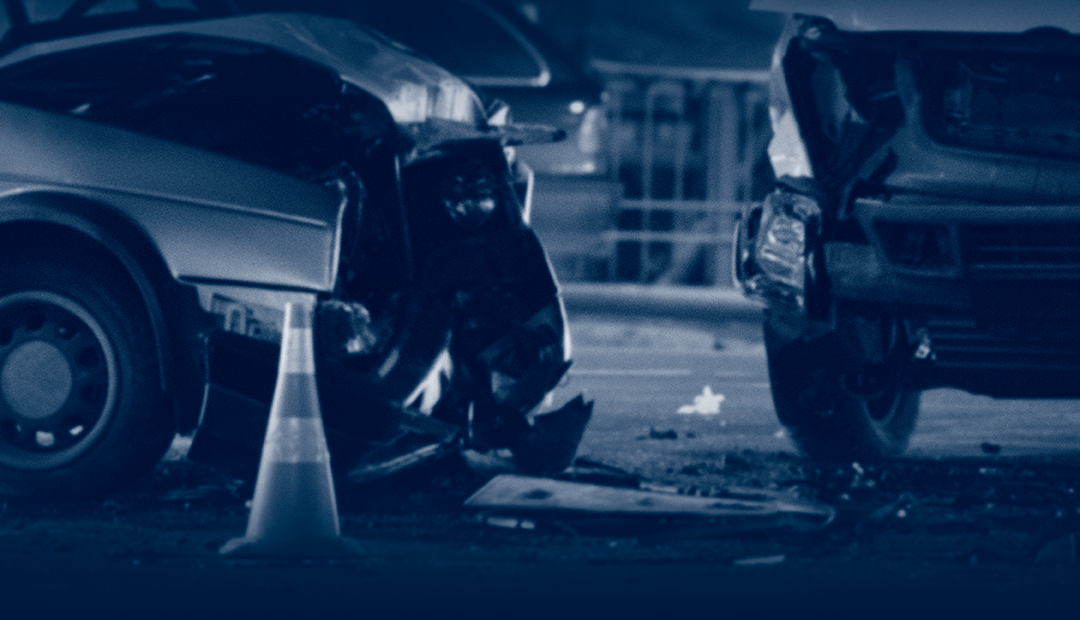
Diminished value is the difference between your vehicle’s market price before a wreck and its value after all repairs are done. In Nebraska, recovering this loss is uniquely challenging. State Supreme Court precedents have generally established that if repair costs are paid, you cannot also claim the lost market value on top of that. This might come as a shock to vehicle owners who realize their repaired car is now worth thousands less.
Unlike most states where claiming this stigma damage from the at-fault driver’s insurance is standard, Omaha drivers face a significant hurdle. Insurers typically deny these claims outright, citing local case law to avoid paying. This effectively means they pay to fix the dents but not the permanent stain on your vehicle’s history report.
However, a denied diminished value claim is not the end of the road. While the direct path for what’s known as inherent diminished value is restricted, you have alternative strategies to protect your vehicle’s worth. These strategies focus on the quality of repairs, the types of parts used, and understanding when a total loss is the better financial outcome.
If you have questions about a complicated property damage situation or an injury claim in Omaha, call us for a free consultation at DM Injury Law. There is no obligation to work with us.
Call (314) 557-4659 or contact us online today for a free consultation.
Key Takeaways for Omaha Diminished Value Claims
- Nebraska law makes direct claims for stigma damage very difficult. Insurers will typically deny claims for inherent diminished value, citing state court precedents that favor repair costs as the primary measure of damages.
- Focus on the quality of repairs and the use of OEM parts. You have the right to a pre-accident condition restoration, and demanding Original Equipment Manufacturer (OEM) parts is a key strategy to protect your vehicle’s underlying value.
- A total loss declaration may be your best financial outcome. If repair costs are near 75% of the vehicle’s pre-accident value, arguing for a total loss bypasses the diminished value issue entirely, as the insurer pays you the car’s full market value.
What Is Diminished Value? (The Basics and the Breakdown)
Even with a perfect-looking repair, a vehicle with an accident on its CarFax or other history report is worth less. A dealership will offer you less on trade-in, and a private buyer will expect a lower price. This loss is called stigma damage, and it’s a real financial hit that you, the innocent party, are expected to absorb something a skilled car accident lawyer can help you recover.
The average property damage liability claim may be thousands of dollars. For the newer trucks and SUVs common on Omaha roads, a wreck could erase $5,000 to $10,000 or more in resale value overnight. That is a substantial loss that the at-fault party’s insurance is not eager to pay. To understand how to counter this, you first need to know what kind of value loss you’re dealing with.
There are three main types of diminished value:
- Immediate Diminished Value: This is the loss in value that occurs the moment after impact, before any repairs have been made. This type is rarely used in claims.
- Repair-Related Diminished Value: This is the value lost due to poor-quality repairs. Think mismatched paint, panels that don’t align, or the use of cheap, aftermarket parts. This is a key concept in negotiations.
- Inherent Diminished Value: This is the most common type. It is the automatic loss in market value simply because the vehicle now has a permanent accident history. Even with flawless repairs, the car is now “that car that was in a wreck.”
The Nebraska Anomaly: Why Omaha Claims Are Different
Do not assume the car insurance rules you see on national websites apply to your accident on I-80. Nebraska is an outlier when it comes to diminished value.
The state’s courts have historically ruled that the primary measure of damages for repairable property is the cost of the repair itself. The reasoning is that allowing an owner to receive full payment for repairs and for lost market value would amount to a double recovery.
This position diverges from the general principle found in the Restatement (Second) of Torts § 928, which is a legal guide followed by many other states. That guide suggests damages may include repair costs plus an allowance for the difference in value after repairs. Because Nebraska courts lean toward a cost of repair model, insurers have a strong legal precedent to stand on when they deny third-party diminished value claims.
First-Party vs. Third-Party Claims
Know who you’re filing a claim with:
- First-Party Claim: This is a claim against your own insurance company (e.g., using your collision coverage). Your insurance policy is a contract, and nearly all policies explicitly exclude coverage for diminished value. Therefore, first-party claims for diminished value are almost never successful.
- Third-Party Claim: This is a claim against the at-fault driver’s insurance company. While no specific Nebraska statute bans these claims, insurers use the court precedents as a shield to deny payment for inherent diminished value. This is the battleground where strategic negotiation becomes important, especially for drivers in high-traffic areas like West Omaha or downtown, where collisions involving newer vehicles are frequent.
Strategic Alternatives: How to Offset Your Vehicle’s Loss of Worth
If you cannot easily sue for inherent diminished value, how do you stop yourself from losing thousands of dollars? You shift the focus from what you’ve lost to what the insurer is legally obligated to provide: a complete and total restoration of your vehicle to its pre-loss condition.
OEM vs. Aftermarket Parts: A Key Distinction
One of the primary ways insurers cut costs is by authorizing the use of aftermarket, or non-Original Equipment Manufacturer (OEM), parts. While Nebraska regulations require these parts to be of “like kind and quality” to the original, this standard is subjective. Using non-OEM parts may negatively affect your vehicle’s performance, safety, and, importantly, its resale value.
You have the right to demand that the insurer pays for OEM parts to maintain your asset’s worth. A vehicle repaired with genuine factory parts will always hold its value better than one patched up with generic equivalents. Insisting on OEM parts is a strategy for protecting your vehicle’s worth with diminished value claims after an Omaha wreck.
The Perfect Repair Standard
If the paint job doesn’t perfectly match the factory finish, or if body panels have uneven gaps, this is not inherent diminished value. This is simply unrepaired or poorly repaired damage. You are not obligated to accept a subpar repair. The insurer’s duty is to pay for the cost to restore your vehicle to its condition before the accident.
When you get home after the car accident, you should start protecting your investment by taking these steps:
- Scrutinize the estimate: Go through the body shop’s initial estimate line by line. Question any use of aftermarket parts or procedures that seem inadequate.
- Inspect the final work: Do not sign off and take your vehicle back if the repairs are not up to factory standards. Look at it in bright daylight, check the panel gaps, and ensure all electronic systems function correctly.
- Document everything: Take clear photos of any shortcuts or flaws you find in the repair work. This documentation is evidence that the insurer has not fulfilled its obligation.
The Constructive Total Loss Pivot
Sometimes, the best way to avoid a diminished value loss is to make sure your car is never repaired in the first place. Diminished value car accident claims only apply to vehicles that are repaired. If your car is declared a total loss, the situation changes entirely.
In Nebraska, a vehicle is generally considered a total loss when the cost of repairs equals or exceeds 75% of its pre-accident value, also known as its Actual Cash Value (ACV). This is laid out in Nebraska Revised Statute § 60-173. When your vehicle is totaled, the insurance company pays you the ACV, effectively giving you the “un-wrecked” price and bypassing the diminished value problem.
If your vehicle’s repair estimate is hovering near that 75% threshold, it may be in your financial interest to argue for a total loss. Initial estimates from insurers frequently miss hidden damage, the high cost of recalibrating modern safety sensors, or necessary blending of paint across multiple panels.
By getting a second opinion from a trusted body shop, you may find that the true cost of a proper repair pushes the vehicle over the total loss threshold, securing you a much fairer outcome.
Call (314) 557-4659 or contact us online today for a free consultation.
Handling the Appraisal Process
In the rare cases where an insurance company does entertain a diminished value claim, they sometimes use flawed methods to calculate a lowball offer. One common tactic is the 17c formula. This is a simplistic, Georgia-based calculation that has been widely criticized for producing artificially low values. It fails to account for the specifics of the Omaha market and the unique characteristics of your vehicle.
An online calculator or a generic formula is not enough. To truly establish your loss, you need a formal appraisal from a certified, independent appraiser who understands the local market. This expert can produce a detailed report that provides a credible, evidence-based assessment of your vehicle’s lost value.
Remember, you have four years from the date of the accident to settle a property damage claim under the Nebraska statute of limitations, so don’t let an adjuster rush you into accepting an unfair deal.
Frequently Asked Questions About Diminished Value in Nebraska
What if the at-fault driver was from out of state, like Iowa or Colorado?
In most cases, if the wreck happened in Omaha, Nebraska law will apply. However, the situation might create a negotiation opening. An insurance adjuster from a state where diminished value claims are routinely paid may be more receptive to a well-documented argument, especially if it helps settle the entire claim efficiently.
Can I file a diminished value claim in Nebraska Small Claims Court?
Yes, for claims under the current limit, which is $3,900. While the legal precedent is still a challenge, small claims court is less formal, and a judge may be more focused on the clear equity of the situation. You represent yourself, as attorneys are not permitted to argue cases in Nebraska’s small claims courts.
Does my Uninsured Motorist (UM) coverage pay for diminished value?
Generally, no. In Nebraska, Uninsured/Underinsured Motorist (UM/UIM) coverage is designed to cover bodily injuries. Even if you have separate property damage coverage under this part of your policy (UMPD), it typically follows the terms of your main collision coverage, which excludes diminished value.
Is there a specific mileage cutoff for these claims?
While not a matter of law, as a practical matter, insurers are very unlikely to consider diminished value claims for vehicles with over 100,000 miles or those older than 7-10 years. They will argue that the vehicle’s age and mileage have already depreciated its value to a point where the accident’s impact on its value is minimal.
Can I claim diminished value on a leased vehicle?
No. Because you do not own the vehicle, you do not have equity in it. The leasing company is the legal owner and the party that suffers the financial loss from diminished value. Therefore, you do not have legal standing to make the claim.
Do Not Let Insurers Undervalue Your Recovery
While Nebraska court decisions have made filing a specific type of diminished value claim difficult, that does not mean you must accept a flawed repair or a major financial loss. You have enforceable rights regarding the quality of the parts used, the standard of the repair work, and the proper valuation of your vehicle if it is a total loss. These are the pressure points that may be used to protect your investment.
You might wonder if it’s worth the fight. When thousands of dollars of your vehicle’s equity are on the line, the answer is a clear yes. Do not let an adjuster give you a blanket denial without first scrutinizing the entire repair and valuation process.
If you’ve been injured in a crash and are facing a battle for fair compensation for both your car and your well-being, call us today. We will help you understand your options and determine the best path forward.
Call (314) 557-4659 or contact us online today for a free consultation.