




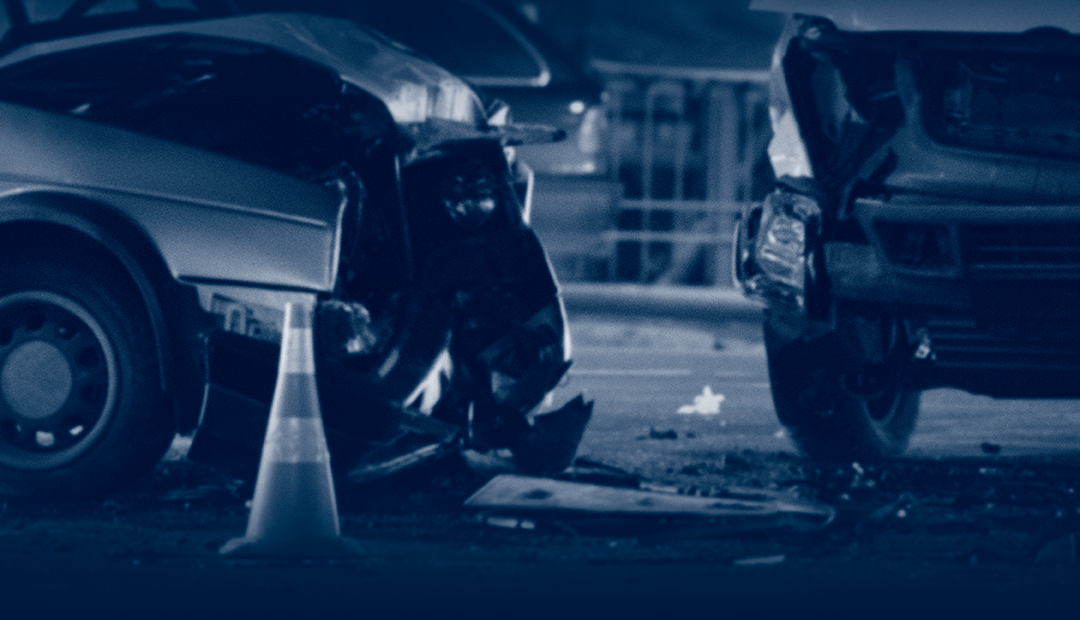
When a car accident involves one car hitting the back of another, people usually make a quick assumption. Most people believe the driver in the back is completely to blame. But is the person who rear-ends always at fault?
The short answer is no. While the law often points the finger at the driver in the back, there are many exceptions. A rear-end crash is not always a simple case. Sometimes the driver in front caused the wreck. Sometimes an outside factor, like bad weather or a broken car part, is the real cause.
If you or a loved one suffered a serious injury in a rear-end wreck, you need to know how the law actually works. Understanding the rules can help you protect your rights and get the financial recovery you need to heal.
Who Is At-Fault for Rear-End Crashes Key Takeaways
- Rear-end drivers are often presumed at fault in Missouri, but this is only a rebuttable presumption, meaning evidence can show the driver behind was not responsible.
- Missouri follows a pure comparative fault system, allowing injured drivers to recover damages even if they share some blame, with compensation reduced by their percentage of fault.
- The front driver may be responsible in certain situations, such as brake checking, driving with broken brake lights, making reckless lane changes, or reversing unexpectedly.
- Outside factors can also cause rear-end crashes, including dangerous weather, mechanical failures, or chain-reaction collisions involving multiple vehicles.
- Evidence is critical to determining fault, including police reports, witness statements, vehicle data (“black box”), photos, and surveillance footage.
Missouri Rear-End Accidents and the “Rebuttable Presumption”
Rear-end collisions happen every single day. Some are minor fender-benders, and some lead to catastrophic injuries. According to the 2022 traffic crash statistics from the Missouri State Highway Patrol, drivers “following too close” caused over 19,000 crashes in the state. Those specific crashes resulted in 37 deaths and more than 6,200 injuries. Distracted and inattentive driving caused another 16,000 crashes.
Because these crashes are so common, Missouri law has a specific way of handling them. State law (RSMo 304.017) says that a driver must not follow another vehicle more closely than is safe and prudent. Drivers must leave enough space to stop safely.
Because of this law, Missouri courts use something called the “rear-end collision doctrine.” This legal idea was discussed heavily in the court case Clark v. Belfonte Distributing Inc. Under this rule, if you hit a car from behind, the court starts by assuming you are at fault.
However, this is only a “rebuttable presumption.” That means the assumption can be proven wrong. The driver in the back has the legal right to present evidence showing they did not cause the crash. They can show that the driver in front did something wrong, or that an outside factor made the crash impossible to avoid.
How Missouri’s Comparative Negligence Laws Affect You
To really understand who pays for the damage in a crash, you need to understand how Missouri splits up the blame.
In the past, if you were even slightly at fault for an accident, you could not get any money for your injuries. That was a very harsh system. Fortunately, the law changed. In a famous 1983 Supreme Court of Missouri case called Gustafson v. Benda, Missouri adopted a system called “pure comparative fault.”
Pure comparative fault, outlined in RSMo 537.765, means that more than one person can share the blame for a single car crash. The court looks at the actions of everyone involved. Then, the court gives each person a percentage of the fault.
For example, a jury might decide the driver in the back is 80% to blame for following too closely. But they might decide the driver in front is 20% to blame for stopping too fast.
If you are the injured driver in the front, and the court says you are 20% to blame, you can still get financial help. Your total financial recovery is simply reduced by your 20% share of the blame.
This system is very helpful for injured victims. It means that even if you made a small mistake on the road, you are not blocked from getting the money you need for your hospital bills and recovery.
When the Driver in Front is Actually to Blame
There are many cases where the person who was rear-ended wasn’t at fault. The driver in the front vehicle has rules they must follow, too. Missouri law (RSMo 304.012) requires every driver to use the “highest degree of care” on the road. When the front driver acts recklessly, they can be held responsible for the crash.
Here are a few common examples of when the lead driver might be to blame:
Sudden and Unnecessary Stops
If a driver slams on their brakes for no good reason, they create a massive danger for everyone behind them. For example, some drivers get angry and “brake check” the car behind them.
Brake checking is illegal and extremely dangerous. If a front driver suddenly stops out of anger or distraction, and the back driver has no time to react, the front driver can be held legally at fault.
Broken Brake Lights
When you press your foot on the brake pedal, the red lights on the back of your car tell the world you are slowing down. Missouri law (RSMo 307.075) clearly states that all vehicles must have working rear lamps and reflectors.
If the car in front of you has broken taillights, you have no warning that they are stopping. If a crash happens because of broken brake lights, the driver of that front vehicle holds a large portion of the blame.
Reckless Lane Changes
Sometimes a driver will suddenly swerve into your lane right in front of your bumper. If they cut you off and then immediately hit their brakes, it is impossible for you to stop in time. Even though your car hit their rear bumper, their reckless lane change is the true cause of the wreck.
Reversing on the Road
Sometimes drivers miss their turn and actually put their car in reverse on an active roadway. If a driver backs into you, the damage looks exactly like a normal rear-end crash. But the evidence and witness statements will show that the front car was actually moving backward, giving you no time or space to react.
Third-Party Actions, Road Hazards, and Mechanical Failures
Sometimes, neither driver is completely to blame. External factors can take control of the vehicles away from the drivers.
Dangerous Road Conditions
Missouri weather can be severe. Heavy rain, sudden flooding, and hidden patches of black ice can make roads incredibly slick. If the driver in the back leaves plenty of space, drives the speed limit, and presses their brakes on time, they are driving safely. If their car hits a patch of black ice and slides into the car ahead, the driver might argue the crash was unavoidable.
Mechanical Failures
Cars are heavy and complicated. Sometimes parts break without warning. If the driver in the back tries to stop, but their brakes completely fail due to a manufacturing defect, they might not be at fault. In these rare cases, the blame might fall on the company that built the car, or the mechanic who recently worked on the brakes.
Learn more about product liability claims.
The Chain Reaction Crash
In heavy traffic, a third driver might be the real problem. Car A is stopped at a red light. Car B is safely stopped behind Car A. Then, Car C comes flying down the road and slams into the back of Car B. The force of the hit pushes Car B forward into Car A. Even though Car B technically rear-ended Car A, the driver of Car B did nothing wrong. The driver of Car C is the one completely at fault for the entire chain reaction.
Learn more about multi-chain car accidents.
What to Do After a Rear-End Crash in Missouri
The moments right after a major car accident are confusing and scary. If you are badly hurt, your health is the only thing that matters. Taking the right steps can protect your life and your legal rights.
Here’s what you should do after a rear-end car accident in Missouri:
- Get to Safety and Call 911: If you can move your car out of traffic, do so. Call 911 immediately. You need police at the scene to write an official report. You also need an ambulance if anyone is bleeding, dizzy, or in severe pain.
- Seek Immediate Medical Treatment: Serious injuries require serious care. Even if you only feel a little sore, you must go to the hospital or an urgent care center. Some terrible injuries, like internal bleeding or spinal cord damage, do not hurt right away. A doctor can find these hidden injuries. Going to the hospital also creates an official medical record, which proves your injuries were caused by the crash.
- Collect Evidence if You Can: If you are not too badly hurt, take pictures with your phone. Take photos of the damage to all the cars, the road conditions, and any skid marks. Get the names and phone numbers of anyone who saw the crash happen.
- Do Not Speak to the Other Insurance Company: The other driver’s insurance adjuster will probably call you very soon after the crash. They might sound friendly, but their goal is to pay you as little money as possible. They will try to trick you into saying the crash was your fault. Do not give them a recorded statement.
- Call a Legal Professional: Contacting a law firm early is the smartest way to protect your future. A Missouri rear-end accident lawyer will handle the insurance companies so you can focus entirely on healing your body.
How a Lawyer Proves Who is at Fault
Proving fault requires hard evidence. If you are in a situation where the typical rules do not apply, you need strong proof to show the truth.
A dedicated legal team knows exactly where to look for this proof. They will get the official police reports. They will track down eyewitnesses and get their sworn statements. Many modern cars have electronic data recorders, called a “black box.” A lawyer can force the insurance company to hand over this data, which proves exactly how fast the cars were going and when the brakes were pressed.
Lawyers also look for security cameras. A camera on a nearby gas station or traffic light might have recorded the whole crash. This video footage is often the key to proving that a front driver slammed on their brakes for no reason, or that another car caused a chain reaction.
Who’s At Fault in a Rear-End Car Crash FAQs
I was hit from behind. Does that mean the other driver pays for everything?
Usually, the driver who hits you from behind is considered at fault. However, under Missouri’s pure comparative fault rules, the insurance company will look at your actions, too. If you did something unsafe, like driving with broken taillights, your final payout might be reduced by your percentage of the blame.
I hit someone from behind, but they cut me off. Is the person who rear-ended always at fault?
No. If someone makes a sudden, reckless lane change right in front of your car, giving you zero time to stop, they are acting negligently. You can fight back against the assumption of blame by showing evidence of their unsafe driving.
What if we both made a mistake?
Because of comparative fault, you can still recover money even if you hold some of the blame. The court will assign a percentage to your mistake and a percentage to the other driver’s mistake. Your financial recovery is simply reduced by your percentage.
Does bad weather mean no one is at fault?
Drivers are expected to adjust their driving for the weather. If it is raining or icy, drivers must slow down and leave more space. If they fail to do so and cause a crash, they are still at fault. However, if an unpredictable patch of ice causes a slide despite perfect driving, it could be considered an unavoidable accident.
Is a person who rear-ends always at fault if the crash involved multiple cars?
Not always. In a multi-car chain reaction, the driver who started the chain (usually the car furthest in the back) holds the most blame. The cars caught in the middle that were pushed forward into other cars are rarely held responsible.
What is the average rear-end crash settlement amount?
Rear-end collision settlements vary widely depending on factors like the severity of injuries, medical expenses, lost wages, pain and suffering, and property damage. Minor injuries may lead to smaller settlements, while serious injuries and higher medical costs can result in significantly larger compensation amounts.
Learn more about rear-end crash settlements.
DM Injury Law Can Help You Rebuild Your Life
A severe car accident drains your energy, empties your wallet, and leaves you in intense pain. You should not have to fight massive insurance companies on your own. At DM Injury Law, we step in to carry that heavy burden for you.
We have a strong history of standing up for injury victims and getting results that change lives. Our car accident lawyers have secured over $1 billion for our clients.
- $4.1 Million for client paralyzed in rear-end crash
- $1.25 Million for motorcycle victim rear-ended by truck
- $1 Million for truck driver in rollover crash
DM Injury Law has offices all over Missouri. Contact our Missouri rear-end car accident lawyers for help today:
While you focus on healing, we’ll focus on your case and future. Contact us online today or call us at 816-888-7500 to schedule your free consultation.
Remember, Mike’s Got This!