




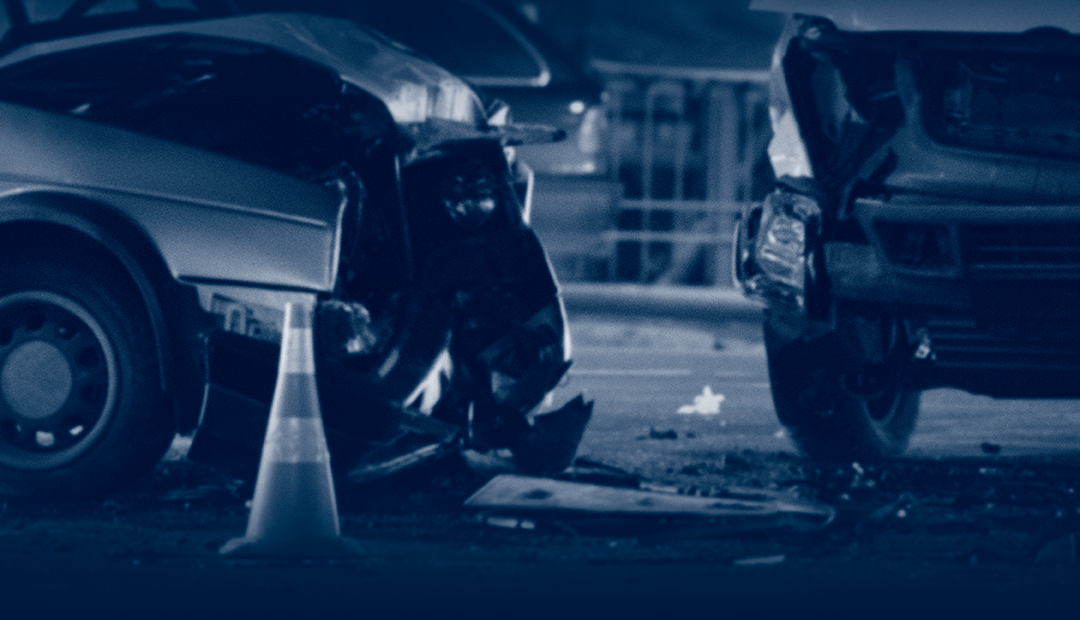
Drunk driving crashes cause severe, immediate harm. When someone chooses to get behind the wheel while intoxicated, they make a conscious decision to endanger everyone on the road. The resulting injuries can devastate victims and families physically, emotionally, and financially.
Medical bills and lost wages tell only part of the story. Many victims feel that standard compensation fails to reflect the preventable, reckless nature of drunk driving. Missouri law allows punitive damages in appropriate drunk-driving cases. Beyond compensatory damages, you may seek punitive damages to punish the drunk driver and deter future misconduct.
Call (314) 300-0314 or contact us online today for a free consultation.
Key Takeaways for Punitive Damages in Drunk Driving Cases
- Punitive damages punish reckless conduct and deter future drunk driving; they can increase your total recovery beyond medical bills and lost wages.
- Missouri law (RSMo § 510.261) allows punitive damages when clear and convincing evidence shows drivers acted with “complete indifference to or conscious disregard for safety of others”—a standard drunk driving typically meets, especially with high BAC or prior DUI convictions.
- Missouri law does not allow insurance to cover punitive damages for a defendant’s own reckless conduct, meaning awards come from the driver’s personal assets, which can increase settlement leverage.
- Juries consider factors like BAC level, prior DUI history, defendant’s wealth, and injury severity when determining punitive awards, with amounts often ranging from equal to several times the compensatory damages, subject to statutory caps with exceptions.
- Both Missouri and Illinois allow punitive damages in drunk-driving cases. Each requires clear and convincing evidence, and procedural differences between the states can affect where to file.
What Are Punitive Damages?
Punitive damages serve a fundamentally different purpose than standard compensation. While compensatory damages reimburse you for medical expenses, lost income, pain and suffering, and other losses, punitive damages focus on the wrongdoer’s conduct rather than your injuries.
These damages punish egregious behavior and deter the defendant and others from repeating it. The legal system recognizes that some actions are so reckless that financial consequences beyond mere compensation are necessary to deliver justice and protect the public.
Compensatory vs. Punitive Damages
Compensatory damages make you whole financially. They cover tangible losses like hospital bills, rehabilitation costs, and vehicle repairs. They also address intangible harms like physical pain, emotional trauma, and diminished quality of life.
Punitive damages address society’s condemnation of the drunk driver’s choices. The amount reflects the severity of the misconduct and the defendant’s financial situation rather than your specific losses. Juries award these damages to punish and deter, not to compensate.
Together, these damages address your losses and hold the drunk driver accountable.
Why Drunk Driving Qualifies for Punitive Damages
Missouri law allows punitive damages when clear and convincing evidence shows the defendant acted with “a deliberate and flagrant disregard for the safety of others” (RSMo § 510.261), a standard often met in drunk-driving injury cases. Section 510.263 requires a two-phase trial when punitive damages are sought.
The Conscious Choice Element
Drinking and driving involves deliberate decisions. The driver chooses to consume alcohol, recognizes their impairment, and makes the conscious choice to drive anyway, knowing the dangers impaired driving creates.
This is not a momentary lapse. It’s a knowing disregard for public safety that decades of awareness campaigns, criminal laws, and widespread cultural knowledge make impossible to excuse.
Factors That Strengthen Punitive Claims
While drunk driving generally meets Missouri’s punitive damages standard, certain factors make these claims particularly compelling:
- High Blood Alcohol Concentration (BAC): BAC levels significantly above 0.08% demonstrate extreme impairment. Drivers with BAC levels of 0.15%, 0.20%, or higher show conscious disregard through sheer alcohol volume consumed.
- Prior DUI Convictions: Previous drunk driving arrests or convictions prove the driver knew the dangers yet chose to repeat the conduct.
- Aggravating Circumstances: Excessive speeding, wrong-way highway driving, fleeing the scene, driving on a suspended license, or having children in the vehicle all demonstrate heightened disregard for safety.
- Refusal to Cooperate: Refusing field sobriety or chemical testing can indicate consciousness of guilt.
What You Must Prove
Missouri requires clear and convincing evidence to award punitive damages, a higher standard than the preponderance used for compensatory damages.
Before asking for punitive damages in court, plaintiffs must file a motion and present evidence supporting the claim during litigation, not in the initial petition (§510.261).
You must establish that the drunk driver acted with complete indifference to or conscious disregard for safety. Evidence supporting this claim includes:
- DUI arrest reports that document BAC levels
- Chemical test results that show breath, blood, or urine analysis
- Police observations that describe intoxication
- Field sobriety records that show performance
- Witness testimony that describes the driver’s condition before driving
- Prior DUI conviction records
- Video footage that shows intoxication or reckless driving
How Juries Determine Punitive Damage Amounts
Unlike compensatory damages calculated from medical bills and wage statements, punitive damage amounts involve greater jury discretion. The greater of $500,000 or five times the net amount of the judgment applies as a cap (§510.265), except for cases where the defendant is convicted of a felony related to the incident, or in some actions where courts have found the cap unconstitutional.
Key Factors Juries Consider
Several critical factors influence the size of a punitive damages award.
First, the reprehensibility of conduct is key; the more egregious the drunk driver’s behavior, the higher the punitive award. For instance, extremely high Blood Alcohol Content (BAC) levels, prior DUI offenses, endangering children, and causing catastrophic injuries all increase reprehensibility.
Second, courts assess the ratio to compensatory damages by evaluating the punitive-to-compensatory ratio under due process guideposts.
Third, the defendant’s financial condition is considered, as punitive damages must be substantial enough to punish and deter. A small award might devastate a middle-class defendant but be meaningless to a millionaire. Juries learn about the drunk driver’s income, assets, and net worth to craft meaningful awards.
Fourth, the deterrent effect of the award is important; the amount should discourage both this defendant and others from drunk driving.
Finally, prior similar conduct is a major factor. Repeat DUI offenders face higher punitive awards because they have demonstrated that lesser consequences haven’t deterred their dangerous behavior.
The Critical Insurance Coverage Distinction
One of the most important aspects of punitive damages involves who actually pays. Missouri law does not allow insurance to cover punitive damages awarded for a defendant’s own reckless or intentional conduct.
Personal Liability Creates Powerful Leverage
When drunk drivers face personal financial exposure for punitive damages, these claims create tremendous settlement pressure even when the driver lacks substantial assets.
Defense attorneys must advise their clients about the risk of personal liability beyond insurance coverage. A drunk driver with a $100,000 insurance policy who faces a credible punitive damages claim suddenly confronts potential personal financial ruin if the case goes to trial.
This risk might motivate higher settlements within policy limits to resolve the case. Even when the drunk driver has limited assets, the threat of punitive damages strengthens your negotiating position substantially.
Collection Realities
Pursuing punitive damages requires an honest assessment of collection prospects. However, collection mechanisms exist even when defendants lack immediate resources:
- Wage garnishment captures a portion of future earnings
- Property liens secure payment from future real estate sales
- Bank account levies seize available funds
- Long-term payment plans spread collection over years
Debts for personal injury or death caused by drunk driving are nondischargeable in bankruptcy under 11 U.S.C. §523(a)(9).
Missouri vs. Illinois: Understanding Metro Area Differences
The St. Louis metropolitan area spans Missouri and Illinois. Understanding both states’ punitive damages frameworks matters for Metro East residents.
Missouri’s Legal Standard
Missouri requires proving the drunk driver acted with “a deliberate and flagrant disregard for the safety of others” by clear and convincing evidence under RSMo § 510.261. For Metro East cases, Illinois uses a different framework.
Illinois’ Approach
Illinois law (735 ILCS 5/2-1115.05) permits punitive damages for conduct showing evil motive or reckless indifference, and requires clear and convincing evidence. Punitive damages are not allowed in medical malpractice actions (735 ILCS 5/2-1115).
Drunk driving typically meets Illinois’ standard through the willful and wanton disregard for safety it represents.
Strategic Considerations
When accidents involve cross-border elements—such as a drunk driver who consumed alcohol at an Illinois establishment before causing a crash in Missouri—choice of law questions arise. Where the drinking occurred, where the accident happened, and where the parties reside all influence which state’s law applies.
Differences in standards of proof, caps, and procedural rules between Missouri and Illinois can influence forum and choice-of-law strategy in cross-border crashes.
The Two-Phase Trial Process
Missouri courts typically bifurcate trials when punitive damages are sought, conducting separate proceedings for liability/compensatory damages and punitive damages. Missouri law (RSMo § 510.263) provides for bifurcated trials when punitive damages are sought.
Phase One: Liability and Compensation
The first phase focuses on whether the drunk driver caused the accident and what compensatory damages you suffered. If the jury finds the defendant liable, they award compensatory damages based on the evidence presented.
Phase Two: Punishment and Deterrence
Only if you win the first phase does the trial proceed to punitive damages. This second phase shifts focus entirely to the defendant’s conduct and financial condition.
Evidence introduced includes the drunk driver’s financial statements, tax returns, asset ownership, income, and net worth. Prior DUI offenses may be introduced to show a pattern. In the punitive-damages phase, the court may allow evidence of any DUI conviction and the defendant’s financial condition.
This bifurcation allows focused evidence presentation and prevents prejudice from financial information influencing the compensatory damages determination.
Punitive Damages in Settlement Negotiations
While technically only juries award “punitive damages,” the potential for punitive liability profoundly influences settlement values and negotiations.
Settlement Leverage
A strong punitive damages claim creates powerful motivation for defendants to settle. Insurance companies recognize that trial exposes their insured to devastating personal liability. They may increase settlement offers significantly to resolve the case completely.
Strategic Decisions
Settlement negotiations require balancing several considerations. Accepting a higher settlement now provides guaranteed compensation without the uncertainty and delay of trial. However, trial might yield even greater recovery if the jury awards substantial punitive damages against a wealthy defendant.
Your attorney will evaluate the claim’s strength, the defendant’s finances and collectability, time to trial, and your circumstances to advise on settlement strategy.
Evidence Needed for Successful Punitive Claims
Building a compelling punitive damages case requires specific evidence documenting both the drunk driver’s reckless conduct and their financial ability to pay.
Proving Reckless Conduct
Essential evidence establishing the drunk driver’s conscious disregard includes:
- DUI arrest reports with detailed officer observations
- Chemical test results showing BAC levels
- Field sobriety test performance records
- Booking videos capturing intoxication
- Witness testimony about the driver’s visible intoxication
- Prior DUI conviction records from court files
- Social media posts showing drinking before driving
- Bar receipts or credit card statements documenting alcohol purchases
Financial Discovery
Understanding the defendant’s ability to pay requires a thorough financial investigation:
- Income tax returns for recent years
- Bank and investment account statements
- Real property ownership records
- Business ownership interests and valuations
- Employment income verification
- Asset disclosure responses
This financial information is critical in the punitive damages phase when juries set the amount.
FAQ for Punitive Damages in Drunk Driving Cases
Do I need court permission to add a punitive damages claim in Missouri?
Yes. Missouri requires a motion for leave under RSMo § 510.261 supported by affidavits or evidence showing a reasonable basis to believe the defendant acted with complete indifference or conscious disregard; courts typically decide this after initial discovery.
Are punitive damages taxable?
Generally yes. Unlike compensatory damages for physical injuries, punitive damages are taxable under federal law; you should plan for potential tax treatment and consult a tax professional.
Can punitive damages be awarded against an employer for an employee’s DUI?
Potentially. Claims depend on the theory alleged (e.g., negligent entrustment or ratification). Punitive exposure requires clear and convincing evidence of the employer’s own conduct meeting the punitive standard, which is distinct from vicarious liability for compensatory damages.
Can a settlement include a punitive-damages component?
Settlements resolve all claims without a jury finding; parties can negotiate higher amounts reflecting punitive exposure, but there is no separate punitive “award” in a settlement unless expressly allocated by agreement.
How does bifurcation affect evidence at trial?
Missouri courts try liability/compensatory issues first; only if you prevail does the punitive phase begin, where the court may allow evidence of the defendant’s financial condition, prior similar conduct, and any criminal conviction, subject to evidentiary rulings (see RSMo § 510.263).
Getting Legal Help for Maximum Accountability
If you suffered serious injuries from a drunk driver in the St. Louis area, understanding punitive damages opens pathways to fuller justice beyond standard compensation. These damages hold drunk drivers personally accountable, provide deterrence against future misconduct, and often significantly increase your total recovery.
Pursuing punitive damages requires sophisticated legal strategy, thorough evidence gathering, and aggressive advocacy. The drunk driver and their insurance company will fight to minimize liability and avoid personal financial exposure.
At DM Injury Law, our experienced team has recovered over $900 million for injury victims across Missouri, Kansas, Oklahoma, and Colorado. We investigate thoroughly, build compelling punitive damages claims, and fight aggressively to hold drunk drivers fully accountable—both through insurance coverage and their personal assets.
Your recovery is our priority. We handle cases on contingency; you owe no fee unless we recover for you.
Call (314) 300-0314 or contact us online today for a free consultation. Our team is available 24/7 to discuss your case and explain how punitive damages might strengthen your pursuit of full justice and maximum compensation.
Past results do not guarantee future outcomes. Every case is different and must be evaluated on its own facts.
Call (314) 300-0314 or contact us online today for a free consultation.