




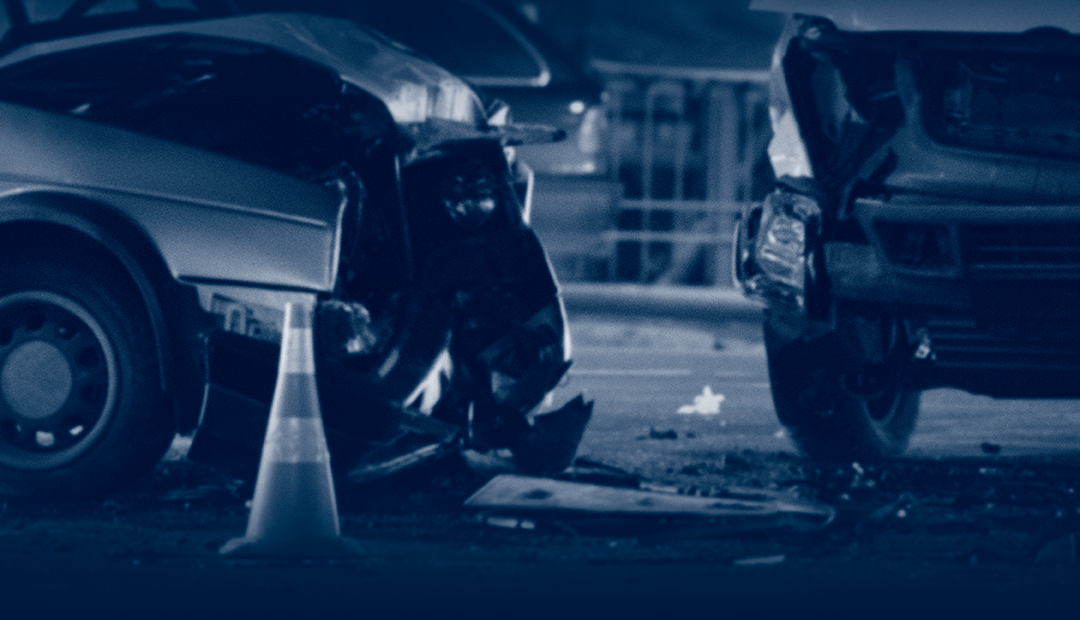
A common oversight after a car crash in Kansas City is that the exact spot where your accident occurred on the Kansas-Missouri border dictates the laws that govern your recovery. The jurisdiction complexities in a Kansas City personal injury claim impact your right to seek compensation.
A crash on the west side of State Line Road falls under Kansas law, while a collision just yards away on the east side triggers Missouri statutes, creating a situation where two drivers in similar accidents may face entirely different legal realities.
A Kansas City personal injury attorney understands these intricate cross-border legal dynamics and can protect your rights from the very beginning.
Call (816) 323-5259 or contact us online today for a free consultation.
Key Takeaways for Kansas City Personal Injury Jurisdiction
- The physical location of the accident, sometimes down to the inch, determines which state’s traffic and liability laws initially apply.
- Missouri law provides accident victims a five-year window, known as a statute of limitations, to file a personal injury lawsuit.
- Kansas law generally gives victims a much shorter, two-year window to file a claim for the same type of injury.
- The residency of the at-fault driver and other factors can affect where you can file a lawsuit.
- An attorney licensed to practice in both Missouri and Kansas has the essential credentials to manage these complex cross-border claims.
Does It Matter if My Car Accident Happened in KCMO or KCK?
The location of your car accident has a significant impact on your claim. The two states bordering Kansas City—Missouri and Kansas—maintain very different laws regarding personal injury claims. These differences directly affect the time you have to file a lawsuit and the amount of compensation you may receive.
Navigating a claim that touches both KCMO and KCK requires a deep understanding of the Kansas City personal injury jurisdiction.
Understanding the Statute of Limitations
The statute of limitations is a law that sets a strict time limit on your right to file a lawsuit. In a state line accident scenario, this is one of the most critical factors. A Kansas City personal injury lawyer evaluates your case to determine the best course of action.
Here’s how the states compare:
- Missouri: You generally have five years from the date of the accident to file a personal injury lawsuit. This extended timeframe provides ample opportunity to assess the full extent of your injuries and gather evidence.
- Kansas: You typically have only two years from the date of the accident to file a suit. Missing this deadline means the court will almost certainly refuse to hear your case, and you will lose your right to seek compensation forever.
Drivers travel daily from Overland Park and Olathe across State Line Road into neighborhoods like Brookside or Waldo for work or leisure. A crash along this busy corridor or on I-435 as it crosses the border places you directly into this complex legal landscape. Your attorney must identify the correct deadline and preserve your right to file a claim.
How Does Choice of Law Affect Your Case?
Even if your accident happened in Kansas, certain factors may allow you to file your lawsuit in Missouri, and vice versa. Choice of law involves complex rules that courts use to decide which state’s laws apply to a case.
An attorney experienced in Kansas City personal injury jurisdiction analyzes these rules to your advantage.
Factors a court may consider:
- Accident Location: The place where the injury occurred is a primary consideration.
- Parties’ Residence: A court may look at where the plaintiff (the injured person) and the defendant (the at-fault person) live.
- Location of Medical Treatment: Receiving care at a facility such as The University of Kansas Health System or Saint Luke’s Hospital of Kansas City may be a factor.
- The Legal Relationship: A court may consider the state where the consequences of the injury are most deeply felt.
Choosing the correct forum is not a simple decision. A lawyer licensed in both states gives you the flexibility to file in a court that has the legal power to hear your case.
How Do Missouri and Kansas Comparative Fault Rules Differ?
When a court or insurance company determines who was at fault for an accident, they apply a legal standard called comparative fault. Both Missouri and Kansas use this concept, but their approaches have significant differences.
The rule that applies to your case can substantially change whether or not you can even recover compensation, making the accident location a critical factor.
Missouri’s Pure Comparative Negligence Standard
Missouri follows a pure comparative negligence rule. Under this system, you can recover damages even if you were partially at fault for the accident. The court determines the total amount of your damages and then reduces your award by your percentage of fault.
For example, if you sustained $100,000 in damages but a court finds you were 10% responsible for the crash, you can still collect $90,000. This system allows partially at-fault parties to receive some compensation for their losses.
Kansas’s Modified Comparative Negligence
Kansas uses a modified comparative negligence rule, which is less forgiving than Missouri’s system. In Kansas, you can only recover damages if your percentage of fault is less than 50%. If a jury or judge finds that you were 50% or more responsible for the accident, you’re barred from recovering any compensation at all.
What Damages Can You Recover in a Kansas City Personal Injury Claim?
After a car accident, you have the right to seek compensation for a wide range of losses, known legally as damages. Both Missouri and Kansas laws allow for the recovery of these damages. A personal injury lawyer helps you identify and pursue every category of compensation available to you.
Common damages include:
- Current Medical Expenses: Compensation covers the cost of all immediate treatment you received after the accident, including ambulance transport, emergency room care, diagnostic imaging, surgery, and hospital stays.
- Future Medical Care: This compensates you for the projected costs of necessary long-term care, such as physical therapy, ongoing rehabilitation, prescription medications, or additional surgeries.
- Lost Wages: Your car accident settlement may reimburse you for the income you were unable to earn while out of work and recovering from your injuries.
- Diminished Earning Capacity: Your claim can address the long-term financial impact of your injuries if you cannot return to your previous job and must take a lower-paying position.
- Property Damage: This covers the cost to repair or replace your vehicle and any other personal property, like a cell phone or laptop, that was damaged in the crash.
- Pain and Suffering: You may seek compensation for the significant physical pain, emotional distress, and mental anguish the accident and your resulting injuries caused.
- Loss of Consortium: This damage is available in certain circumstances to a victim’s spouse to compensate them for the negative impact the injuries have had on their marital relationship.
Calculating the full value of these damages, especially for future medical needs and pain and suffering, requires a thorough investigation and a clear understanding of legal precedent. Your attorney gathers extensive evidence, such as medical records and expert opinions, to build a compelling case.
This detailed approach ensures that your compensation demand accurately reflects the total impact the accident has had on your life and finances.
Why You Need a Kansas City Personal Injury Attorney
When your accident occurs on the state line, the responsible insurance company may try to use the confusion surrounding Kansas City personal injury jurisdiction to its advantage. An insurer might try to apply the law that is most favorable to them, not you.
An attorney licensed and experienced in both Missouri and Kansas is uniquely positioned to counteract these tactics and protect your interests.
A qualified lawyer adds value to your case in several ways:
- Jurisdiction Determination: Your attorney analyzes every detail of the accident—from the point of impact to the residency of the drivers—to determine which state’s laws legally apply to your case. This decision can significantly affect how your claim proceeds.
- Dual-State Evidence Collection: A lawyer who practices in both states can seamlessly gather evidence on both sides of the state line. They can subpoena records from the KCMO and KCK Police Departments, interview witnesses in both states, and obtain medical records from providers across the metropolitan area.
- Expert Damage Calculation: Your legal team calculates the full extent of your losses, carefully considering how each state’s laws on comparative fault may apply. This detailed assessment ensures you seek the complete compensation you need.
- Skilled Insurance Negotiation: Your attorney negotiates with adjusters and can prevent the insurance company from misapplying the law or unfairly shifting blame to you.
FAQs for Kansas City Personal Injury Jurisdiction
What Happens if the At-Fault Driver and I Live in Different States?
When the at-fault driver and the injured person live in different states, it can create a legal issue known as diversity jurisdiction, which may allow a lawsuit to be filed in federal court. Your attorney will evaluate whether this option applies.
How Does Uninsured Motorist Coverage Work in a State Line Accident?
Uninsured/Underinsured Motorist (UM/UIM) coverage is a part of your own auto insurance policy that protects you if the at-fault driver has no insurance or not enough insurance. The terms of your specific insurance policy will govern how this coverage applies.
An attorney can review your policy to determine your rights and help you file a UM/UIM claim in addition to any claim against the at-fault driver.
Do I Have To File a Claim in the State Where the Accident Occurred?
You don’t always have to file a car accident claim where the accident occurred. While the state where the accident happened is the most common place to file a lawsuit, it’s not the only option. Depending on the specifics of your case, such as where the defendant lives or conducts business, your lawyer may determine that filing in another state is legally permitted.
Why Is the Statute of Limitations Important for My Case?
The statute of limitations is a hard deadline. If you fail to file a lawsuit within the time limit set by law—two years in Kansas or five years in Missouri—you lose your right to seek compensation through the court system forever.
Since the deadlines in Missouri and Kansas are so different, identifying the correct one immediately after an accident is crucial to protecting your rights.
Can an Attorney Take a Case That Involves Both States?
An attorney must be licensed by the state bar association in each state where they practice law. The attorneys at DM Injury Law are qualified to represent clients whose cases involve both states. They can file lawsuits and appear in courtrooms on either side of the state line, providing them with the flexibility to handle complex cross-border accident claims.
Secure Your Legal Advantage Today
An accident along State Line Road introduces legal hurdles that most car accident victims never face. The differences in state laws create opportunities to strengthen your claim but also present risks if managed improperly.
You need the advantage of working with an advocate who can effectively operate in this unique legal environment and position your case for the strongest possible outcome.
The attorneys at DM Injury Law are familiar with both Missouri and Kansas laws and can build a comprehensive strategy for you.
Call (816) 323-5259 or contact us online today for a free consultation.
Past results do not guarantee future outcomes. Every case is different and must be evaluated on its own facts.