




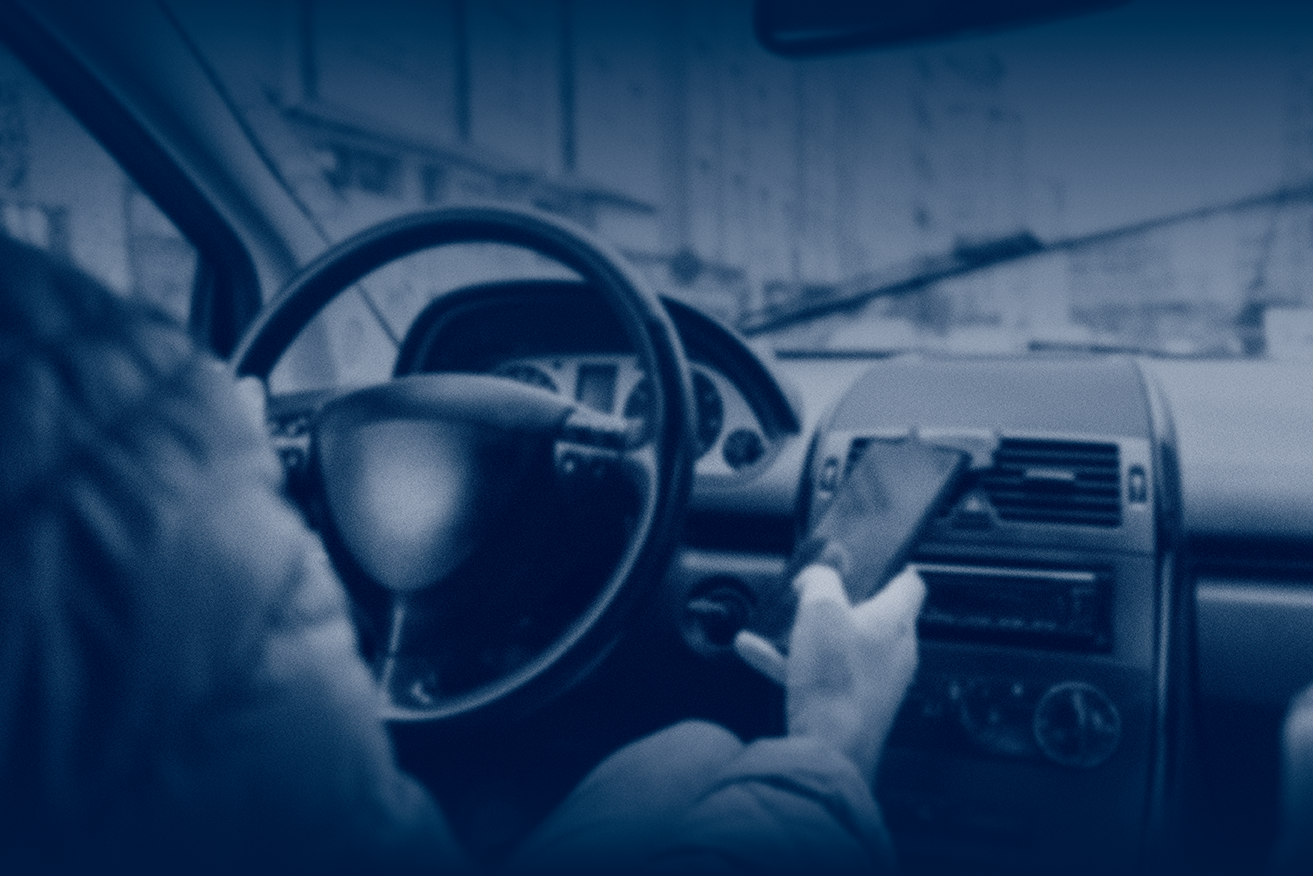
Drivers often claim a “sudden emergency” caused their crash—a deer in the road, another car cutting them off, or a tire blowout. But in Oklahoma, juries look at whether the driver’s own distraction or inattention created the danger. Under the state’s ordinary negligence standard, phone records, following-distance analysis, and physical evidence often show the collision could have been prevented with reasonable care.
Understanding how Oklahoma treats the sudden emergency concept—and why distracted drivers rarely qualify—can help you challenge these claims effectively.
Call (405) 295-0622 or contact us online today for a free consultation.
Key Takeaways for Understanding the Sudden Emergency Defense in Oklahoma
- In Oklahoma, “sudden emergency” is part of the ordinary-care analysis, not a standalone defense. Evidence of distraction or poor lookout undercuts any such claim.
- The key question is whether the driver’s inattention created the emergency. A driver looking at a phone turns a manageable hazard into a “sudden emergency” that an attentive driver would have avoided.
- Common claims like “a deer ran out” or “I had to swerve” often fail when evidence shows distraction, tailgating, or no corroboration. Phone records showing activity at the crash time are especially damaging.
- Oklahoma does not treat “sudden emergency” as an affirmative defense. Juries evaluate it under the ordinary-negligence standard.
- Effective Nov. 1, 2025, 47 O.S. § 11-901E bans handheld phone use in marked school and construction work zones (fine $100), making distraction findings in these zones even more straightforward.
What the Sudden Emergency Concept Actually Means
The Oklahoma Uniform Jury Instructions for civil cases (OUJI-CIV) generally discourage giving a separate “sudden emergency” instruction. The issue is already covered under the ordinary-care standard. This approach explains why a driver who created the emergency through distraction cannot rely on the defense.
The Ordinary Care Analysis
Sudden emergency is considered within the ordinary-care analysis, not as a rigid, standalone defense. The question is whether a reasonable person confronted with the same circumstances would have acted differently.
A driver who faces a truly sudden, unexpected situation through no fault of their own is judged by what a reasonable person would do in that moment.
This consideration applies only if the driver didn’t create the emergency. Failing to keep a proper lookout, following too closely, or texting while driving defeats the claim.
The driver’s response must still be reasonable. Panic alone doesn’t excuse negligence; the reaction must be proportional to the situation.
How Distracted Driving Creates the “Emergency”
The causation chain reveals why sudden emergency fails when drivers were texting. An attentive driver sees a hazard at a distance, has time to assess and respond deliberately, and brakes gradually or changes lanes safely.
A distracted driver looking at their phone doesn’t see the hazard initially. They look up only when the hazard is dangerously close. What was manageable becomes an “emergency” solely because of delayed observation.
The reality? The emergency was caused by the driver’s inattention, not the hazard. If a reasonable driver watching the road would have seen the hazard earlier, the distracted driver cannot claim sudden emergency. Their own inattention created the emergency situation.
Why “A Deer Ran Out” Often Fails as a Defense
Deer-vehicle collisions are common in Oklahoma, making this claim seem plausible. Insurance companies know juries sympathize with drivers who fear deer strikes.
Challenging the Deer Defense
Physical evidence often contradicts deer claims:
- No deer hair appears on the vehicle
- No blood marks the impact area
- No tracks show in soft shoulder soil
- The police report filed at the scene mentions no deer strike
- Damage patterns show vehicle-to-vehicle impact, not animal strike
Other vehicles navigated the same area without incident. If a deer truly darted across I-40, why did only one driver have an “emergency”? An attentive driver sees deer earlier because headlights illuminate animals at a distance. The distracted driver misses these cues entirely.
Phone records undercut deer defenses. Call or text activity at the crash time shows the driver wasn’t watching for hazards. The deer might have existed, but the “emergency” existed only because the driver was looking at a screen instead of the road.
Following Distance Defeats Emergency Claims
Even when a hazard exists, liability turns on whether reasonable care would have avoided it. Following distance is a recurring issue.
Even if a deer appeared, inadequate following distance often defeats the claim. Oklahoma law requires maintaining a safe distance from vehicles ahead. Following too closely constitutes negligence.
When the lead vehicle brakes for a deer, a properly distanced driver has time to stop safely. The tailgating driver might claim a “sudden emergency” when the real problem was their decision to follow too closely.
Common Emergency Claims and Why They Fail
Insurance companies raise sudden emergency claims in various scenarios. Understanding why these claims fail helps victims challenge these defenses.
“Another Car Cut Me Off”
This defense shifts blame to a phantom third vehicle. But the defense may crumble under scrutiny. No evidence supports the third vehicle’s existence—no witnesses, no debris, no police report mention. The defendant can’t describe the vehicle or provide a license plate.
Adequate following distance would allow a safe response even if another car did change lanes. Phone records showing distraction before the alleged cut-off prove the driver wasn’t observing traffic patterns.
“My Tire Blew Out”
A post-crash inspection may reveal no blowout or that the tire failed after impact. Inadequate tire maintenance proves driver fault—worn tires make failure foreseeable, not sudden.
“I Had a Medical Emergency”
Medical emergency defenses create sympathy but often lack medical evidence. No hospital visit occurred. No diagnosis confirms an emergency. Pre-existing conditions the driver knew about make emergencies foreseeable.
Phone records showing activity immediately before impact prove consciousness and attention on the device, not a medical crisis.
How Phone Records Destroy Sudden Emergency Claims
Cell phone records are a powerful rebuttal to sudden emergency claims. According to NHTSA, distracted driving remains a significant cause of roadway deaths. Timestamped phone metadata helps prove distraction in civil cases.
The Timeline That Defeats the Claim
A call or text at the crash moment shows the driver wasn’t maintaining a proper lookout. Data usage shows app interaction—eyes on the phone, not the road. A driver cannot claim both “sudden emergency” and phone use at the same moment; phone use shows fault and defeats the claim.
Phone activity shows timing but must be paired with witness testimony or expert analysis to confirm visual distraction. The records alone don’t prove the driver’s eyes were on the device, but they corroborate distraction claims when combined with accident reconstruction, witness observations, or physical evidence like lack of braking.
Expert Analysis Proves Causation
Accident reconstruction experts demonstrate that attentive drivers would have seen hazards earlier. At 60 mph, a two-second delay from looking at a phone means traveling an additional 176 feet without observing the roadway.
Sight distance calculations prove when hazards first became visible. Stopping distance analysis shows an attentive driver could have avoided the collision entirely. Expert testimony on phone records interpretation and correlation with crash timing establishes that the “emergency” only existed because distraction delayed hazard recognition.
Overcoming Sudden Emergency Claims at Trial
Oklahoma juries understand distracted driving dangers from personal experience. They recognize when drivers make excuses to avoid responsibility.
The Negligence Standard Works for Victims
Plaintiffs prevail by proving negligence by a preponderance of the evidence; undermining a sudden-emergency claim is part of that overall showing. If jurors believe the driver was distracted or following too closely, they typically find negligence regardless of emergency claims.
Demonstrative Evidence Tells the Story
Timeline graphics show phone activity followed immediately by the “emergency.” Sight distance diagrams prove early visibility of hazards. Reaction time animations demonstrate how distraction created the crisis. These visuals make abstract concepts concrete for jurors.
Effective Cross-Examination Exposes Excuses
Cross-examination pins defendants down on details. What kind of deer? What color was the car that cut you off? Why didn’t you mention the deer to police at the scene? Inconsistencies emerge, and the self-serving nature of the emergency claim becomes obvious.
New Oklahoma Law Strengthens Distracted Driving Cases
Oklahoma’s new handheld phone use restriction in school and work zones, effective November 1, 2025, strengthens restrictions on distracted driving in critical areas. These changes help defeat sudden-emergency claims in school and work zones.
Handheld Phone Ban in Critical Zones
Effective Nov. 1, 2025, 47 O.S. § 11-901E prohibits handheld phone use in marked school zones and construction work zones and imposes a $100 fine. Law enforcement cannot search phones without a warrant or probable cause, but violations create clear evidence of distracted driving in critical areas.
A driver using a handheld phone in a school zone cannot credibly claim sudden emergency when a child appears. The driver’s illegal phone use proves fault that defeats any emergency claim entirely.
Construction zones on I-40 see frequent sudden emergency claims, but hazards are foreseeable in marked work zones. A driver violating the handheld phone ban in these areas cannot argue the situation was unavoidable.
When to Challenge Sudden Emergency Claims
Not every emergency claim is false, but identifying when the claim is legitimate versus an excuse for negligence is critical.
Red Flags for Bogus Emergency Claims
The emergency story surfaces only after liability is disputed. The police report mentions no deer or mechanical failure, and no physical evidence corroborates the claim. Phone records show activity at the accident time. Following distance was inadequate.
When Strong Legal Representation Matters
Challenging sudden emergency claims requires sophisticated legal knowledge and resources. Accident reconstruction experts, cell phone forensics, and medical record analysis demand professional interpretation.
DM Injury Law’s team of over 70 attorneys and 250 support staff members provides the resources needed to defeat insurance company defense tactics. We’ve successfully challenged sudden emergency claims by proving distracted driving created the crisis.
FAQ for Sudden Emergency Claims in Oklahoma
What exactly is the sudden emergency doctrine in Oklahoma?
In Oklahoma, “sudden emergency” is not a standalone affirmative defense but rather a factor considered within the ordinary negligence analysis. Courts generally disfavor giving separate sudden emergency jury instructions, instead addressing the concept through the standard of reasonable care under the circumstances.
What evidence should I keep at home to challenge a sudden-emergency claim?
Save dash cam footage, photos of skid marks and sight lines, damage photos, your phone records, and witness names and contact information. Preserve the vehicle for potential inspection. This documentation becomes critical when insurance companies raise emergency defenses weeks or months after the accident.
What if the other driver claims a deer ran out but there’s no proof?
Lack of corroboration often defeats deer claims. No physical evidence of deer impact, no mention in the police report, and damage patterns inconsistent with animal strikes all challenge the claim. Phone records showing distraction prove the driver wasn’t watching for hazards.
Can black ice or sudden weather qualify as a “sudden emergency”?
Only if conditions were truly sudden and not reasonably foreseeable for a prudent driver. Evidence of prior weather warnings, visible icing, or speed too fast for conditions undermines the claim. Drivers have a duty to adjust speed and following distance for weather conditions.
Will a separate “sudden emergency” jury instruction be given in Oklahoma?
Generally no. Oklahoma courts address the concept within the ordinary negligence instruction rather than giving a standalone “sudden emergency” instruction. The jury evaluates all circumstances when determining whether the driver exercised reasonable care.
How do accident reconstruction experts help defeat these claims?
Reconstruction experts calculate when hazards first became visible, determine available stopping distance, and prove an attentive driver could have avoided the accident. They demonstrate that the “emergency” only existed because distraction delayed hazard observation.
Stop Insurance Companies from Hiding Behind False Excuses
Insurance adjusters increasingly raise sudden emergency to avoid paying legitimate claims. They count on frustration and confusion to pressure low settlements.
When distracted driving created the crisis, emergency claims fail under Oklahoma’s ordinary negligence standard. The attorneys at DM Injury Law challenge insurance company tactics with legal knowledge. We’ve recovered over $900 million for injury victims across multiple states because we don’t accept excuses for negligence.
If an insurance company claims “sudden emergency” erased liability for your I-40 accident, contact DM Injury Law immediately at (405) 295-0622 or contact us online for your free consultation. We’re available 24/7, and we work on contingency—no fee unless we recover compensation for you. Don’t let distracted drivers hide behind false emergency claims.
Call (314) 300-0314 or contact us online today for a free consultation.
Past results do not guarantee future outcomes. Every case is different and must be evaluated on its own facts.