




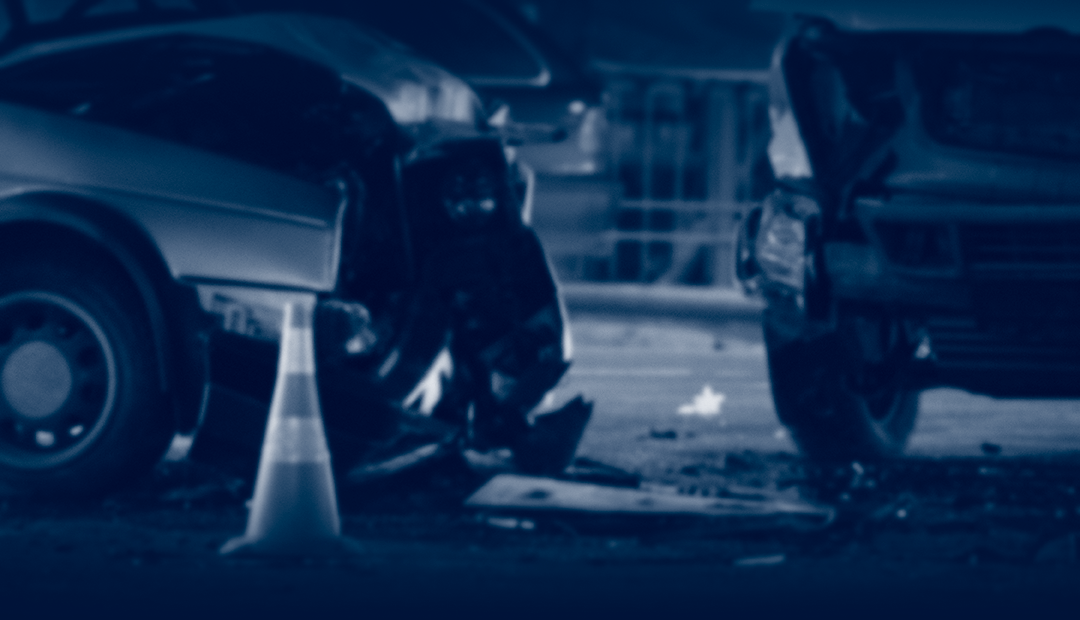
The immediate moments after a car accident are often a blur of adrenaline, confusion, and anxiety. One minute you’re driving to work or the grocery store, and the next, you’re dealing with a wrecked vehicle, serious injuries, and the stress of having to pay for medical bills and other losses.
While the stress and anxiety of the accident make it incredibly difficult to think clearly, it’s important to stay as alert as possible. The decisions you make in these first few hours and days can drastically impact your recovery and ability to recover financial compensation later.
While no one plans to be in a crash, understanding what not to do in a car accident is just as critical as knowing the right steps to take. Small missteps, like saying “I’m sorry” or not filing a police report, can be used by insurance companies to devalue your claim. By avoiding these common errors, you can protect your rights and ensure you are in the best possible position to move forward.
Key Takeaways of What Not to Do After a Car Accident
- Always report the accident to the police, as an official report helps document what happened and protects your claim.
- Do not admit fault or apologize at the scene, since even casual statements can be used against you later.
- Seek medical care right away, because delayed treatment can worsen injuries and weaken the link between the crash and your injuries.
- Collect your own evidence, including photos, driver information, and witness details, before the scene changes.
- Be cautious with insurance companies, and avoid recorded statements or quick settlements before fully understanding your rights and damages.
7 Common Mistakes to Avoid After Being in a Car Accident
The road to recovery starts the moment the accident occurs. To protect your health and personal injury claim, steer clear of these seven critical mistakes after car accident.
1. Failing to Call the Police
One of the most frequent errors drivers make, especially in “minor” fender benders, is agreeing to handle things privately without involving law enforcement. While this might seem convenient in the moment, it leaves you without an official record of the incident.
A police report acts as an objective piece of evidence that details the date, time, weather conditions, and involved parties. Without it, the other driver could easily change their story later, claiming the accident was your fault or that it never happened at all.
After a car accident, always call 911 or the local non-emergency line to ensure an officer documents the scene. This report will be used as critical evidence in your insurance claim.
Additionally, most states require you to notify the police in cases of property damage, injury, and death. Failing to do so can lead to consequences you did not intend, especially if you’re the victim.
Related: How to Obtain a Police Report After a Car Accident?
2. Admitting Fault at the Scene
It is human nature to want to apologize or diffuse a tense situation, especially in unexpected accidents. However, apologizing, even if you know you’re not at fault, can be interpreted as an admission of legal liability. Phrases like “I didn’t see you” or “I’m so sorry” can be used against you by insurance adjusters to shift the blame entirely onto your shoulders.
Even if you believe you might have contributed to the crash, you likely do not have all the facts. There could be factors you are unaware of, such as the other driver being distracted, mechanical failures, or poor road conditions.
Stick to the facts when speaking to the other driver and the police. Let the investigators determine who is at fault.
3. Not Seeking Immediate Medical Attention
After a collision, your body is flooded with adrenaline and endorphins, which can mask pain and symptoms of serious injury. You might feel “fine” initially, only to wake up days later with severe neck pain, back issues, signs of a concussion, or other injuries.
Even if you don’t feel immediate pain, it is often safer to seek medical attention immediately, regardless of how you feel. Delaying medical care is one of the biggest mistakes you should avoid after an auto accident.
If you wait too long to see a doctor, the insurance company may argue that your injuries were not caused by the crash or that they aren’t as serious as you claim. Seeing a doctor creates a medical record that links your injuries directly to the accident.
Learn More:
- How to Get Medical Records After an Accident
- What Not to Do When You Have Been Injured in an Accident
4. Lack of Evidence Collection
Relying solely on the police report is rarely enough. The scene of an accident changes quickly—vehicles are moved, the weather shifts, and witnesses leave. If you are physically able to do so safely, gather your own evidence to strengthen your claim.
You should take photos and videos of:
- Vehicle damage (both yours and the other driver’s)
- Skid marks or debris on the road
- Traffic signs and signals
- Visible injuries
Along with that evidence, you should speak to the other driver and politely request their name, contact information, and insurance. Without this, it can be difficult to file your claim and receive compensation.
You should also collect the names and contact information of any witnesses. Their unbiased accounts can be used as testimony in your case.
5. Talking to Insurers Without Legal Help
Insurance adjusters often sound friendly and helpful, but it is important to remember that they work for a for-profit business. Their goal is to minimize payouts. When they ask for a recorded statement, they are often fishing for inconsistencies or admissions that can reduce the value of your claim.
One of the vital mistakes to avoid after a car accident is giving a recorded statement before you have consulted with an attorney. You are generally required to notify your own insurance company, but you should keep the conversation brief and factual. Do not speculate on fault or injuries. It is almost always in your best interest to have a lawyer handle communications with the other driver’s insurance company to ensure your rights are protected.
6. Accepting Quick Settlement Offers
In the days following a crash, you may receive a call from an insurance adjuster offering a quick settlement check. This is often a “lowball” offer designed to resolve the claim for as little money as possible before you fully understand the extent of your damages.
If you accept this money and sign a release, you generally forfeit your right to ask for more money later. If your medical treatment ends up costing thousands more than you expected, or if you miss weeks of work, you will be left paying those bills out of pocket.
Never accept a settlement offer without having it reviewed by a car accident attorney who understands the true value of your case.
7. Not Speaking to a Lawyer
Time is not on your side after an accident. Evidence disappears, memories fade, and strict statutes of limitations begin to fade away the moment the crash occurs. These laws limit the amount of time you have to file a lawsuit.
As noted by Nolo, these time limits vary significantly by state. Waiting too long to talk to an attorney can result in being permanently barred from seeking compensation, regardless of how severe your injuries are.
Related:
Frequently Asked Questions
Should I move my car after an accident?
If the vehicle is drivable and it is safe to do so, most states require you to move your car out of the flow of traffic to prevent further accidents or backed-up traffic. However, if the damage is severe or someone is injured, leave the vehicles where they are until emergency responders arrive.
What if the other driver doesn’t have insurance?
This is a stressful scenario, but you still have options. You may be able to file a claim under your own “uninsured motorist” coverage. Most states require you to have it as part of your auto insurance, even if you don’t realize it. Consulting with an attorney is critical in these cases to explore every path for compensation.
Can I still claim damages if the accident was partially my fault?
In many states, yes. This depends on whether your state follows “comparative negligence” or “contributory negligence” laws. Often, you can still recover compensation even if you were partially to blame, though your payout may be reduced by your percentage of fault.
Don’t Face a Car Accident Claim Alone
Navigating the aftermath of a crash is complex, but you do not have to do it alone. A car accident attorney serves as your advocate, shielding you from aggressive insurance tactics and ensuring no stone is left unturned in your pursuit of justice.
Knowing the mistakes to avoid after a car accident is the first step toward a successful recovery. By keeping a cool head, documenting evidence, and being cautious with insurance companies, you are laying the groundwork for a fair outcome.
At DM Injury Law, we understand how exhausting and financially burdensome a serious accident can be. We have won over $1 billion for our clients because we are dedicated to fighting for the maximum compensation you deserve.
We offer free consultations to help you understand your options, and you pay no fee unless we win your case. Contact us online today or call us at 816-888-7500 for your free consultation.
DM Injury Law has offices all over the Midwest. Speak to our car accident attorneys in: